
Two quotes for the same cracked screen can look wildly different, and most of the time the difference is not the labour. It is the screen itself. The screen is usually the most expensive part of a repair and the biggest quality variable, so it pays to know what you are actually being quoted for.
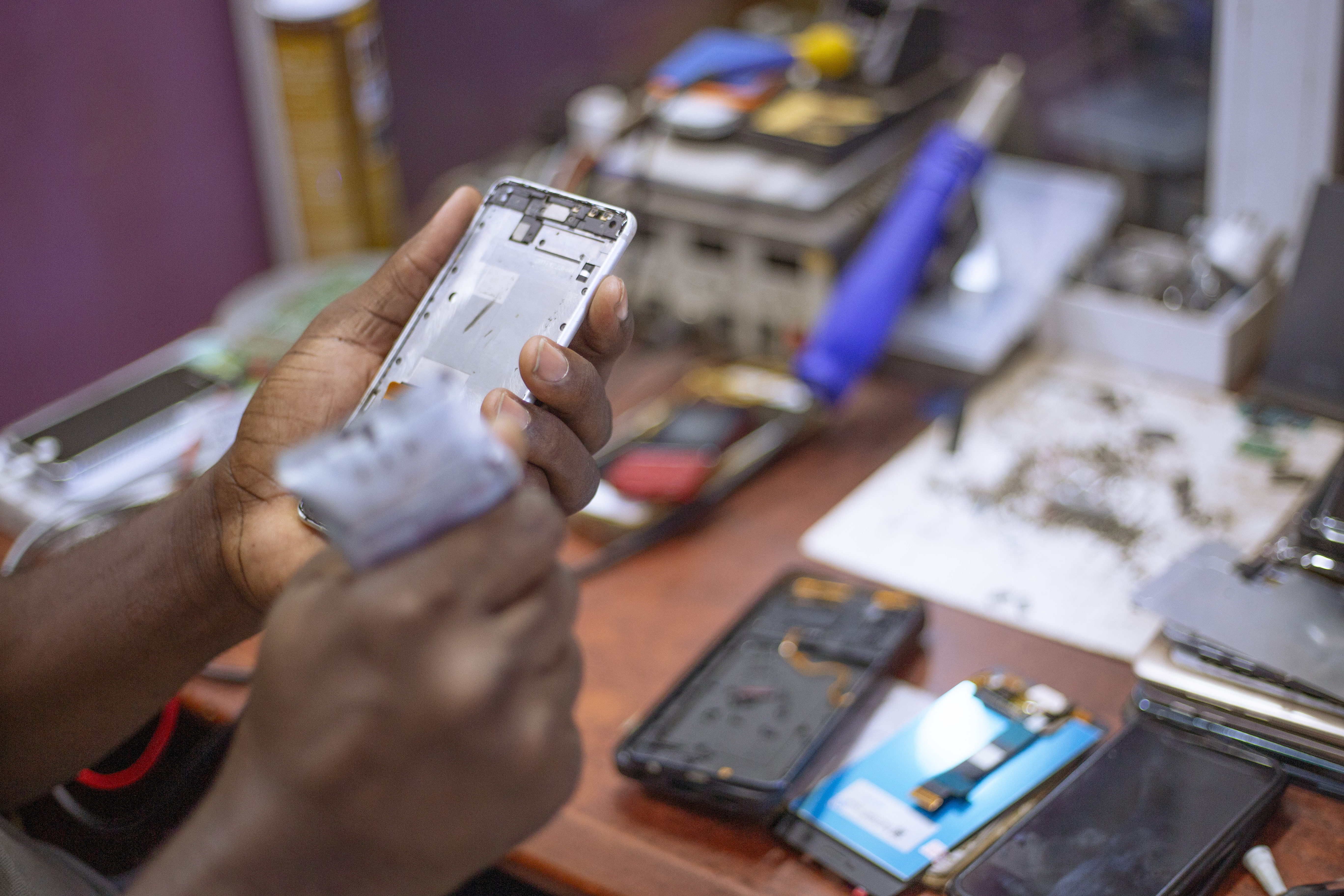
Here is how to spot the difference, in plain terms:
- Brightness and colour. A good screen is bright in daylight and shows whites as white, not blue or yellow. Cheaper panels can look washed out or tinted, especially at low brightness.
- Touch responsiveness. Swipe, scroll and type. A poor panel may lag, miss taps near the edges, or feel slightly off when you draw slowly across it.
- Bezel size. Compare it with the original if you can. Budget screens sometimes have a slightly thicker black border, which is the easiest tell of all.
- True Tone behaviour. On phones that support it, True Tone should adjust colour to the room. A screen that cannot do this properly, or loses the feature after fitting, is a sign of a lower tier.
- Price gap. If one quote is far below the rest, ask why. The saving usually comes from the panel, not from a shop working faster.
So when is an aftermarket screen fine? For an older phone, on a tight budget, or when you have no plans to sell it on, a decent aftermarket panel is a sensible choice. It gets the phone working again at a price that makes sense for its age.
When is it not? On a newer phone, if resale value matters, or if you do colour-critical work such as photo editing, the original or a high-quality equivalent is worth the extra cost. You look at that screen all day, and a poor one nags at you every time you unlock the phone.
Takeaway
Ask any shop which screen tier they are quoting. The cheapest quote is not always the cheapest repair — especially if a poor screen means you are back in the shop, or selling a phone nobody wants.
Leave a Reply